Ugadi is one of the top festivals in southern part of India celebrated in between the months of March and April. This article gives a brief information on Ugadi, how it is celebrated and the traditions followed
History of Ugadi

Word Ugadi is derived from the Sanskrit word “Yuga” and “adi” which means beginning of a new age, and hence this festival Ugadi means the start of new year for people of Karnataka and Andhrapradesh
The festival marks the new year day for people between Vindhyas and Kaveri river who follow the South Indian lunar calendar, pervasively adhered to in the states of Andhra Pradesh, Karnataka, Maharashtra and Goa.
Significance of Ugadi Pacchadi
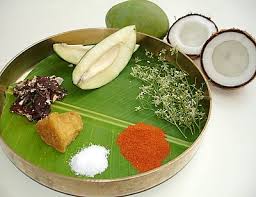
Ugadi Pacchadi is tasted by everyone on the day of the festival. The eating of a specific mixture of six tastes (షడ్రుచులు), called Ugadi Pachhadi (ఉగాది పచ్చడి) in Telugu and Bevu-Bella (ಬೇವು-ಬೆಲ್ಲ) in Kannada,[5] symbolizes the fact that life is a mixture of different experiences (sadness, happiness, anger, fear, disgust, surprise), which should be accepted together and with equanimity through the New Year.
Ugadi Pacchadi consists of:
- Neem Buds/Flowers for its bitterness, signifying Sadness
- Jaggery and ripe banana pieces for sweetness, signifying Happiness
- Green Chilli/Pepper for its hot taste, signifying Anger
- Salt for saltiness, signifying Fear
- Tamarind Juice for its sourness, signifying Disgust
- Unripened Mango for its tang, signifying Surprise
Don’t forget to taste Bobbatlu, one of the top sweet dishes in Andhrapradesh (or) Obbattu in Karnataka. These are the famous dishes always prepared in this festival
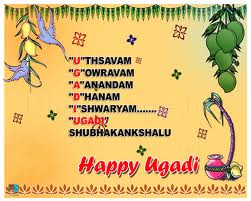
On behalf of all TravelsTips and all our writers and editors, we wish you a very happy ugadi

Related Posts
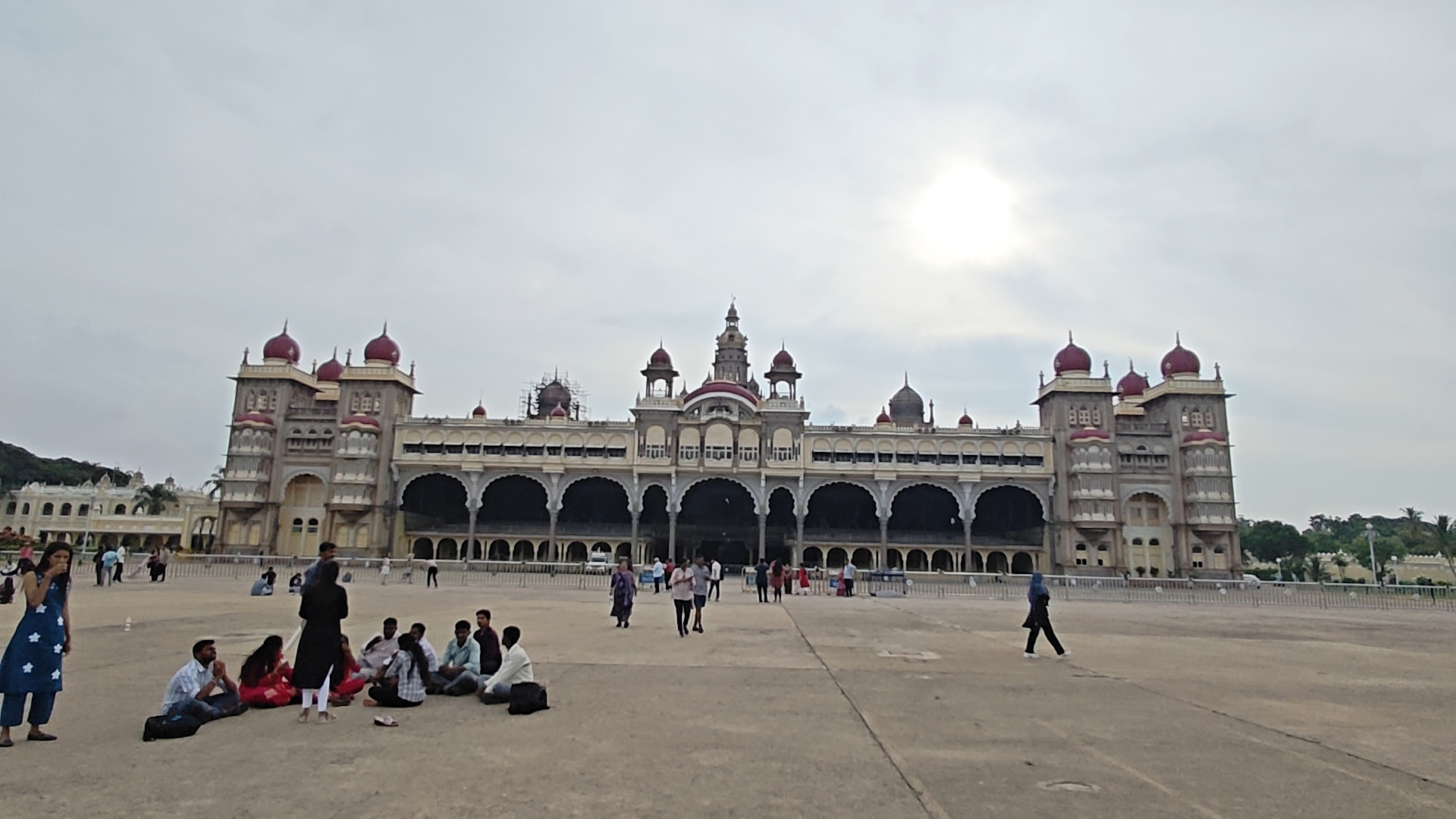
Top Tourist Places to Visit in Mysore Mysore Travel Guide
Mysore (officially Mysuru) is one of the most famous tourist…

7 Amazing Kailasagiri Vizag clicks
Kailasagiri Vizag is one of the top tourist destinations in…
5 Things to do on an Winter Holiday in India
Are you planning for a winter hoiday in India? Then…